
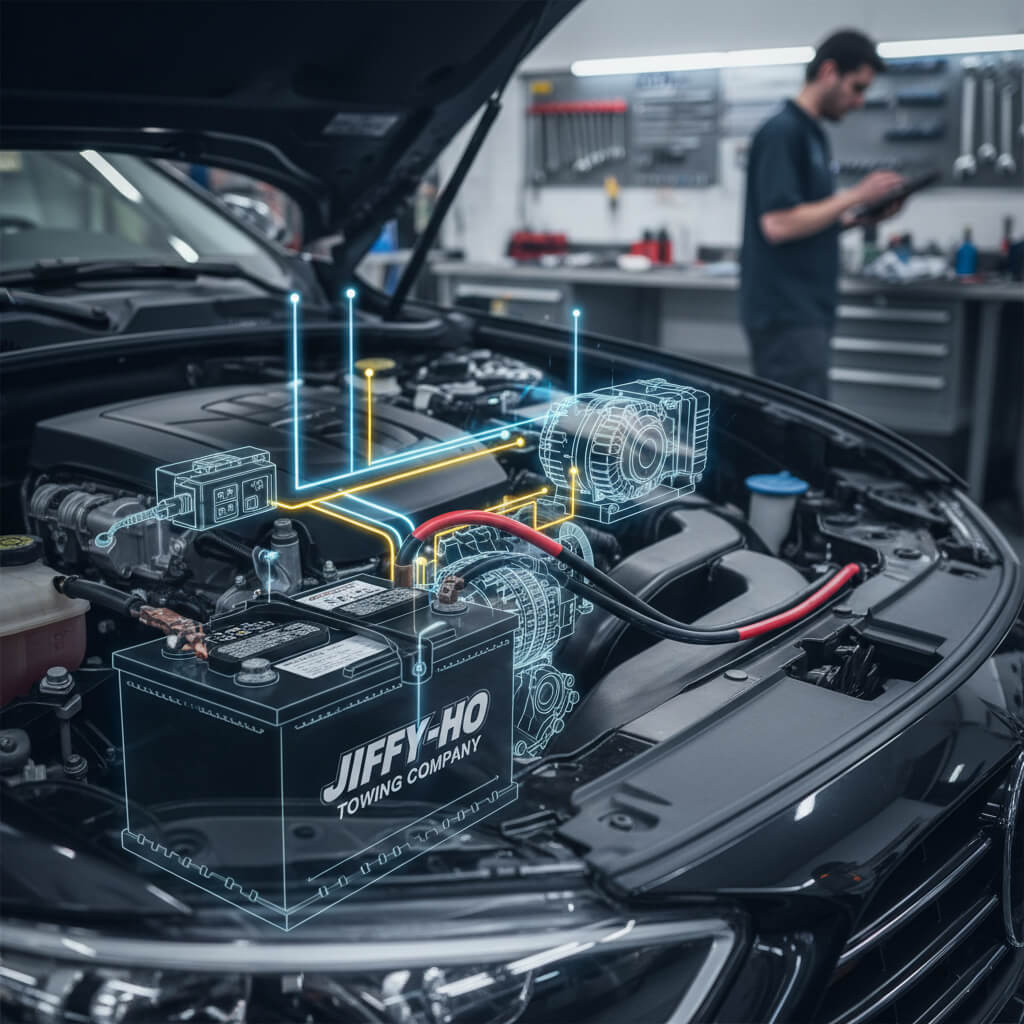
How Car Batteries Work
Modern car batteries are complex electrochemical devices that turn chemical energy into electrical power through carefully controlled reactions. A standard lead-acid battery has six cells, each of which makes about 2.1 volts. Together, they make the 12.6 volts needed to start engines and power the electronics in cars. Inside each cell, chemical reactions take place. The positive lead dioxide plates and the negative sponge lead plates interact with the sulfuric acid electrolyte solution, which causes the flow of electricity by moving electrons.
When you start your car, the battery sends power to the starter motor, the ignition system, and the fuel injection parts. The alternator charges the battery and powers all the electrical systems at the same time when the engine is running. The charging system keeps the voltage between 13.7 and 14.7 volts while the battery is working, which is normal for a battery.
How Long Batteries Last and How to Tell When They Are About to Fail
The best car batteries can last four to six years. But because of Phoenix’s harsh weather, this lifespan is usually cut down to just two to three years, and sometimes even less for cars that are exposed to severe weather. Knowing the early warning signs of a battery failure can help you avoid unexpected breakdowns:
- Slow engine cranking means that the cranking amperage is lower.
- Flickering interior lights or dimming headlights are signs of voltage drops.
- Problems with the electrical system that affect the locks, power windows, or infotainment.
- The swollen battery case shows that the inside has been damaged by heat.
- Corroded terminals with white, blue, or green crusty deposits on them.
- Check the lights on the dashboard that warn you about the engine or battery.
- Age is more than three years in Phoenix weather.
What Makes Car Batteries Die in Phoenix, AZ Weather?
Extreme Heat: The Main Thing That Kills Batteries
Phoenix’s hot weather creates an ideal environment for car batteries to fail more quickly. In the summer, temperatures often go above 110°F, and the engine compartments of cars can get as hot as 200°F or more. The extreme heat changes the chemistry of batteries in several harmful ways.
The most immediate danger is the evaporation of the electrolyte. The water in the sulfuric acid electrolyte solution evaporates quickly when the temperature goes up. This leaves lead plates that should stay submerged. When these plates are exposed, they are permanently damaged by sulfation, which is the process of making lead sulfate crystals that make it harder for the battery to hold a charge. Even “maintenance-free” batteries that are sealed can have pressure buildup inside them as the electrolyte evaporates. This can cause the case to swell or crack.
At higher temperatures, chemical reactions happen faster, which speeds up the process of corrosion and plate deterioration. The rates of chemical reactions in batteries about double for every 15°F rise above 77°F. This means that the internal degradation rate in Phoenix can be four times higher than in more moderate climates. This is why batteries that might last six years in Seattle only last two summers in Phoenix.
Changes in Temperature and Thermal Stress
People in Phoenix talk a lot about the heat during the day, but the big temperature changes between day and night add to the stress. It can get as cool as 90°F at night in the summer, which is 25°F lower than the daytime high. This makes the battery parts expand and contract over and over again. This thermal cycling slowly weakens internal connections, breaks plate separators, and makes the case less strong.
Even though the winters are milder than in most of the U.S., the temperatures still drop into the 40s at night. When the temperature drops, batteries that have already been weakened by the summer heat have even less cranking power. A battery that is only 60% full can completely fail on a cool morning in Phoenix if it gets too hot, leaving owners unprepared.
How to Keep Your Battery Safe in the Heat of Phoenix
Regularly Scheduled Maintenance and Inspections
In Phoenix’s harsh climate, proactive battery maintenance greatly increases battery life. Set up a regular schedule for inspections:
Every month, you should visually check the battery case for cracks, bulging, or leaks. Check the terminals and cable connections for rust to make sure they are tight and secure. Use a wire brush and a solution of one tablespoon of baking soda per cup of water to clean up any rust right away. This will neutralize acid deposits and restore proper electrical contact.
Reputable service centers do professional testing every three months to check the health of batteries by putting them under load and measuring the voltage. These tests check the cranking amperage, voltage under load, and overall capacity of the batteries. They can find batteries that are getting weaker before they fail completely. Most auto parts stores and service centers will test your battery for free. This is a useful service that only takes a few minutes.
After 24 to 30 months in the Phoenix climate, it makes sense to think about replacing things every year. Instead of waiting for a failure, proactively replacing batteries that are close to three years old will keep things from breaking down at the worst possible time. If you’ve had trouble starting your car, slow cranking, or had to jump-start it before, you might want to think about replacing it sooner.
Do Something: Tell Your Story and Get Advice from an Expert
Have you ever had your car battery die when it was really hot in Phoenix? Please share your story in the comments below. Sharing experiences helps other people in the Valley learn from real-life situations and find solutions that work in our unique climate. If you’re concerned about your battery’s condition or want personalized advice about preventing failure in Phoenix’s extreme temperatures, reach out to our team of automotive experts who understand the specific challenges Arizona drivers face daily. We can work together to make sure that cars in Phoenix run well even on the hottest summer days! CALL US NOW (480) 716-7576